What an Emergency Dentist Wants You to Do Before You Arrive
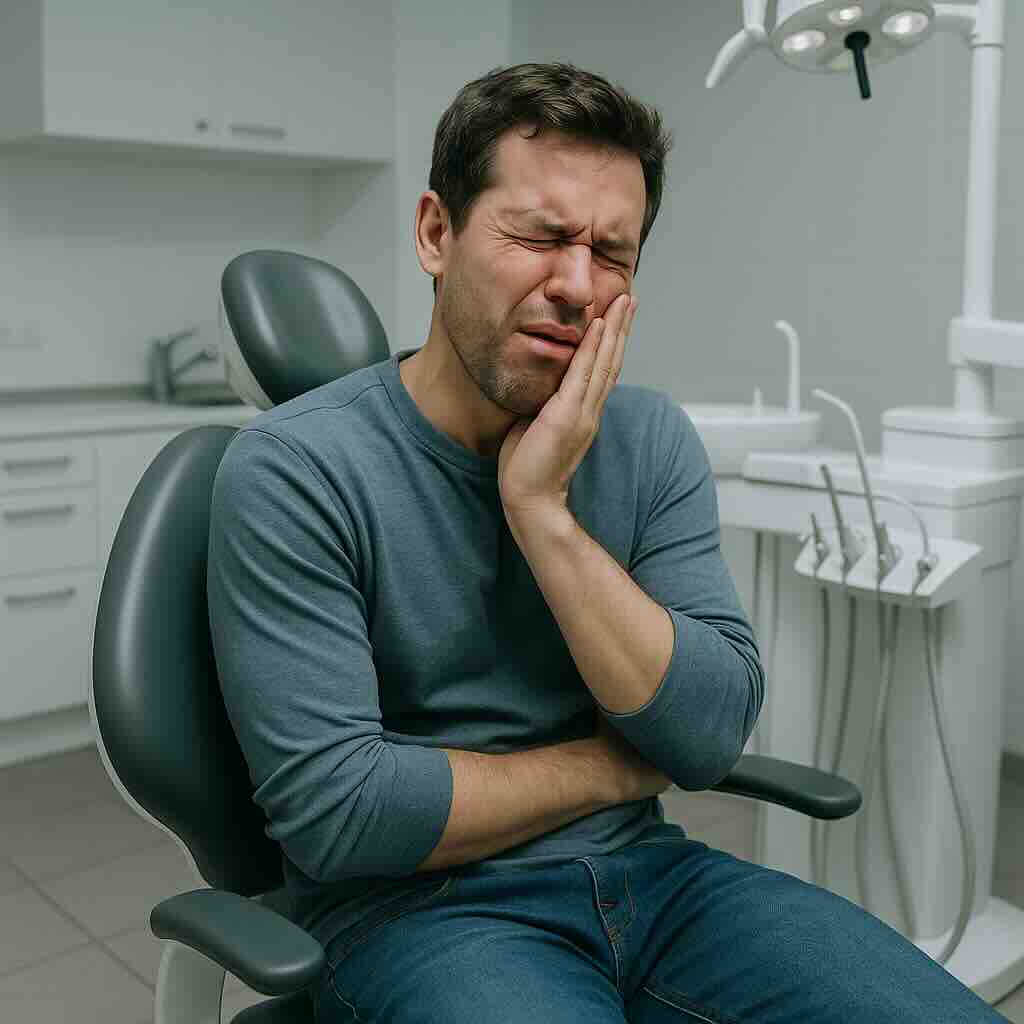
A dental emergency rarely starts at a convenient time. It shows up during dinner, in the middle of a workday, after a weekend game, or at two in the morning when everything feels more dramatic than it did an hour before. By the time most people call an Emergency Dentist, they are in pain, rattled, and trying to make good decisions with very little sleep or perspective.
That is exactly why the minutes before you leave for the clinic matter so much. What you do at home can reduce bleeding, protect a damaged tooth, lower the risk of further injury, and help the dental team treat you faster once you arrive. The right first steps can be the difference between saving a tooth and losing it, or between a manageable visit and a much more complicated one.
Dental emergencies vary widely. A cracked molar from biting ice is not the same as a knocked-out front tooth after a fall. An abscess does not behave like a lost filling, and severe jaw swelling is a very different situation from a crown that came loose while eating lunch. Still, there are patterns that emergency dental teams see every day, and there are practical things they wish patients would do before they walk through the door.
Start with one question: is this a dental emergency, or a medical emergency?
This is the first judgment call, and it matters. An Emergency Dentist is equipped to handle severe tooth pain, dental infections, broken teeth, dislodged restorations, soft tissue injuries in the mouth, and trauma affecting the teeth and gums. But some situations belong in a hospital emergency department first.
If you are having trouble breathing or swallowing, if swelling is spreading rapidly into the face or neck, if there is uncontrolled bleeding that does not slow with pressure, if you may have a broken jaw, or if you had a head injury with loss of consciousness, confusion, vomiting, or dizziness, that is no longer just a dental problem. Go to the emergency room or call emergency services.
People sometimes hesitate because they think they should “see the dentist first.” That instinct can cost valuable time. A severe infection under a tooth can occasionally spread into spaces around the jaw and throat. Facial trauma can involve the airway, the jaw joint, or the bones around the eye. A dentist wants you safe before anything else.
Call before you get in the car
The most helpful thing you can do, after deciding you are not in immediate medical danger, is call the office. Not text, not just book online, not simply show up and hope for the best. Call.
When patients call, an experienced front desk coordinator or clinician can triage the situation in a matter of minutes. They will usually ask what happened, when it happened, how much pain you are in, whether there is swelling or bleeding, and whether the tooth is broken, loose, or completely out. That information shapes what happens next.
Sometimes the advice is time-sensitive. A knocked-out adult tooth has the best chance of survival if it is replanted quickly, ideally within about 30 minutes, though good handling can still help even if more time has passed. A child’s baby tooth, on the other hand, generally should not be pushed back into place because that can damage the developing adult tooth underneath. Without a phone call, patients often guess wrong.
Calling ahead also gives the team time to prepare the operatory, review your chart if you are an existing patient, and tell you whether they need you to come immediately or whether there is something important to do first. In a busy emergency schedule, that small step can shorten your wait and improve care.
Control the basics before you leave
The priorities are simple: limit damage, reduce contamination, manage bleeding, and keep your pain from spiraling. That sounds straightforward, but in real life people do all sorts of things that make the situation worse. They put aspirin directly on the gums and burn the tissue. They scrub a knocked-out tooth with soap. They ignore heavy bleeding because they are rushing to leave. They drive themselves while shaking from pain medication or anxiety.
If you remember nothing else, remember this short pre-arrival checklist:
- Rinse your mouth gently with warm water to clear blood and debris.
- If there is bleeding, hold firm pressure with clean gauze or a clean cloth for about 10 to 15 minutes.
- Use a cold compress on the outside of the face in short intervals to reduce swelling.
- If a tooth has been knocked out, handle it by the crown, not the root, and keep it moist.
- Take pain medicine only as directed on the label, and avoid placing pills or gels directly against the gum unless instructed.
Those five actions cover a surprising number of situations. They are not glamorous, but they are the kind of basics that buy time and prevent avoidable damage.
What to do if a tooth is knocked out
This is one of the few true dental time races. If it is a permanent tooth and it has come out whole, the way you handle it in the first few minutes matters enormously.
Pick it up by the crown, which is the part you normally see in the mouth. Do not touch the root. The root surface carries delicate periodontal ligament cells that help the tooth reattach. If the tooth is visibly dirty, rinse it very briefly with milk or saline, or with clean water for only a few seconds. Do not scrub it. Do not wrap it in tissue and let it dry out. Drying is the enemy.
If you feel calm enough and the tooth is intact, you may be told over the phone to gently place it back in the socket and bite softly on gauze to hold it in place. Many patients are understandably too anxious to do that, and that is fine. The next best option is to keep the tooth moist in cold milk, saline, or a tooth preservation solution if one is available. Some people can hold the tooth in the mouth between the cheek and gum, but that is not safe for young children or anyone at risk of swallowing it.
What an Emergency Dentist does not want is a tooth arriving dry in a napkin after an hour in the car. That is common, and it lowers the odds considerably.
There is one important distinction here. These instructions apply to adult teeth. If a baby tooth gets knocked out, the safest course is usually not to reinsert it. Call the office and get specific guidance.
If the tooth is cracked, chipped, or broken
Not every broken tooth is an emergency in the same sense, but many are urgent. A tiny chip with no pain may wait a little. A fracture with temperature sensitivity, sharp edges, or visible pink or red tissue inside the tooth should be seen promptly. A split tooth that hurts when you bite is often worse than it first appears.
Rinse gently and keep any fragments if you can find them. Occasionally a fragment can help with repair, especially in front teeth. If a sharp edge is cutting your tongue or cheek, dental wax is useful if you have it. Sugar-free gum can work as a temporary cover in a pinch, though it is not ideal. Avoid chewing on that side. Stick to softer foods and lukewarm drinks. Very hot coffee and ice water tend to provoke pain in freshly fractured teeth.
It also helps to notice what triggered the break. Did it happen while chewing something hard, after weeks of intermittent pain, or immediately after a blow to the face? Those details tell the dentist whether they may be dealing with decay under an old filling, a crack extending below the gum line, or trauma affecting the nerve and supporting structures.
If you have swelling, pressure, or signs of infection
Dental infections are one of the most underestimated emergencies. People often assume it is “just a toothache” until the swelling moves into the cheek, under the jaw, or toward the eye. Pain from an abscess can be throbbing, relentless, and worse when lying down. You might notice a bad taste, pus drainage, fever, or tenderness when biting.
An Emergency Dentist wants to know how quickly the swelling came on and whether it is getting harder to open your mouth, swallow, or speak clearly. Those symptoms suggest the infection may be extending into deeper spaces. That does not mean panic, but it does mean urgency.
Before you arrive, rinse gently with warm salt water if that feels soothing. Keep your head elevated rather than lying flat. Use a cold compress on the outside of the face if swelling is significant. Do not put heat on the area. Heat feels comforting to some people, but it can increase swelling. Do not start leftover antibiotics from an old prescription unless a clinician specifically tells you to. The wrong drug, the wrong dose, or an incomplete course can muddy the picture and make treatment less predictable.
And this is worth saying plainly: antibiotics alone do not fix many dental infections. If the source is inside the tooth or around the root, the underlying problem often requires drainage, root canal treatment, or extraction. Patients sometimes delay because the pain briefly lessens after drainage into the mouth. The infection itself may still be active.
If a filling, crown, bridge, or veneer comes off
These problems can feel less dramatic, but they can quickly become painful if the exposed tooth is sensitive or if the restoration protects a weak structure underneath. A lost crown on a heavily restored molar can leave thin walls of tooth vulnerable to fracture. A missing filling can trap food and air, causing sharp sensitivity.
If the crown or bridge comes off cleanly, save it and bring it with you. Do not force it back on if it does not seat easily. Over-the-counter temporary dental cement can sometimes hold a crown in place for a short time, but only if the fit is obvious and stable. Household glue is never appropriate. Dentists see this more often than you would think, and it creates a mess that can damage the tooth and soft tissue.
A veneer that pops off may or may not be a same-day crisis depending on the tooth, the level of sensitivity, and whether appearance matters for your work or an event. Still, the office should guide that decision. What seems minor to a patient can sometimes signal an underlying fracture or bonding failure that needs prompt attention.
Pain medicine is fine, but use judgment
Most emergency dental teams would rather see a patient whose pain is somewhat controlled than someone who has white-knuckled the drive and arrived exhausted and nauseated. Pain relief has a place. The issue is how you use it.
Over-the-counter medications can help if taken according to the label and if you have no medical reason to avoid them. Many adults do well with ibuprofen, while others need acetaminophen because of stomach issues, kidney concerns, blood thinners, or other contraindications. If your physician has told you not to take a particular medication, follow that advice. If you are pregnant, medication choices deserve extra care.
What dentists do not want is aspirin rubbed onto the gum, clove oil poured directly into irritated tissue, or repeated doses taken too close together because “nothing was happening.” Those are the scenarios that complicate treatment. Chemical burns from aspirin are painful and entirely preventable.
If you are taking anything stronger than a routine over-the-counter dose, have someone else drive you.
Bleeding needs pressure, patience, and a clock
Mouth injuries often look worse than they are because the area is richly supplied with blood. A small cut on the lip or gum can seem dramatic. The answer is usually steady pressure and enough time, not constant checking.
Fold clean gauze or a clean cloth, press firmly on the area, and hold it without peeking every 20 seconds. Most people underestimate how long 10 full minutes feels when they are anxious. If the gauze becomes soaked, place fresh material on top rather than lifting the first layer too soon. A tea bag is sometimes suggested because tannins may help clotting, but clean gauze is simpler and more predictable.
If the bleeding clearly does not slow after sustained pressure, or if blood is pooling rapidly, that moves up the urgency ladder. The office may direct you to the emergency department depending on the source and severity.
What the dentist wants you to bring, and what they want you to tell them
Dental emergencies are easier to treat when the history is clear. Under stress, people forget details that turn out to matter. A quick note on your phone while you are waiting for a ride can help.
Bring or be ready with these essentials:
- A list of medications, allergies, and major medical conditions.
- The time the injury or pain started, and whether it was sudden or building over days.
- Any broken tooth pieces, crowns, aligners, retainers, or mouthguards involved.
- The name of any pain reliever or antibiotic you have already taken.
- Insurance and identification, if available, without delaying urgent care.
The timing matters more than patients realize. If pain started three weeks ago and spiked last night, that suggests a different pathway than a tooth that felt fine until a direct blow at soccer practice. If swelling is new this morning but the tooth had hot sensitivity for months, that history points toward a long-smoldering problem that has crossed a line.
It also helps to mention recent dental work, even if it seems unrelated. A tooth that had a large filling last month may now be inflamed. A root canal done years ago could have developed a fracture. A patient who grinds heavily at night may present with a cracked cusp that traces back to bite forces rather than a single bad meal.
Eat, drink, or wait?
This depends on the likely treatment, which is another reason the phone call matters. If you may need sedation, you may be told not to eat for a certain number of hours. If local anesthetic and routine emergency treatment are more likely, a light meal beforehand can be smart, especially if you are prone to feeling faint. Once the mouth is numb, eating comfortably becomes harder.
What usually makes sense is to avoid alcohol, skip anything very hot, and choose something simple if you have not eaten and the office says it is fine. Yogurt, soup that has cooled to warm rather than hot, eggs, oatmeal, or a smoothie can work. But again, ask first if sedation is even a possibility.
Patients who arrive dehydrated, shaky, and running on adrenaline often have a rougher visit. Patients who eat a heavy meal right before a procedure that may involve a gag reflex can also be uncomfortable. There is no one answer, only sensible adjustment to the situation.
Emergency DentistIf the emergency involves a child
Children add one more layer of complexity because they may not describe pain accurately and their teeth may be primary teeth, permanent teeth, or somewhere in between. A seven-year-old with a loose front tooth after a fall is a very different case from a seventeen-year-old with the same problem.
Parents often focus first on the blood. Dentists focus on the type of tooth, the position of the tooth, whether it moved, and whether the lip or tongue also needs attention. If a permanent tooth has been knocked out, speed is critical. If it is a baby tooth, the plan changes. If the child took a hit to the mouth and now says their bite feels “weird,” that can point to tooth displacement or a jaw issue even when nothing obvious is broken.
Try to stay calm, even if your child is not. Children read adult panic quickly. Bring the child’s comfort item if it helps, but also bring any appliance they wear, such as an orthodontic retainer or sports mouthguard, because that can help the dentist understand the baseline fit and alignment.
A few mistakes emergency dentists see all the time
Some errors repeat so often that they are almost predictable. Patients wait all day with a knocked-out tooth in a dry tissue. They take antibiotics that were prescribed to someone else. They superglue a crown back into place. They arrive having eaten hard food on a fractured molar because “it only hurt on one side.” They dismiss facial swelling because the pain briefly improved.
None of those choices make someone careless. Most people have never been taught what to do in a dental emergency, and when pain takes over, people improvise. But this is exactly why emergency dental teams give such practical, plainspoken advice over the phone. They are trying to preserve options before they disappear.
One patient example sticks with many clinicians: a teenager brought in after a basketball injury, front tooth avulsed, but his coach had the presence of mind to put the tooth in cold milk and call ahead immediately. That tooth had a fighting chance because somebody did the unglamorous basics correctly. Contrast that with the adult who arrives twelve hours after severe swelling began, unable to swallow comfortably, after hoping it would “break on its own.” The second case is not rare, and it is far harder on everyone involved.
The goal before you arrive is not to fix the problem
That is worth emphasizing. Your job is not to perform dentistry at home. It is to protect the area, avoid making it worse, and give the Emergency Dentist the best starting point possible.
That means preserving a tooth rather than cleaning it aggressively. It means controlling bleeding rather than repeatedly pulling the gauze away to inspect it. It means managing pain sensibly rather than experimenting with home remedies that irritate tissues. It means sharing accurate information rather than minimizing symptoms because you do not want to “bother” the office.
Dentists who handle emergencies every week are not looking for perfection from patients. They know these moments are stressful. What they hope for is a handful of smart first steps and an early phone call. Those two things alone solve half the avoidable problems.
When every minute feels long
If you are in pain and waiting to be seen, time behaves strangely. Ten minutes feels like an hour. That is when people are most tempted to tinker, to poke the tooth with their tongue, to rinse over and over, to try one more home fix they found online. Resist that urge.
Keep the area as calm as possible. Follow the instructions you were given. Stay hydrated unless you were told not to eat or drink. Bring what you need. And if symptoms escalate while you are on the way, especially swelling, breathing difficulty, or heavy bleeding, call back or divert to emergency medical care.
The best pre-arrival care is rarely dramatic. It is careful, restrained, and a little boring. That is exactly what makes it effective. An Emergency Dentist would much rather see a patient who did the basics well than one who tried to solve everything before the appointment.
Vitality Dental
1220 Coit Rd # 106, Plano, TX 75075, United States
+1 972-645-4100
FAQ About Emergency Dentist
What counts as a dental emergency?
A knocked-out tooth, significant mouth injury, severe tooth pain, or painful swelling warrants prompt evaluation. Call your dentist and describe your symptoms so the office can advise you on how urgently you need care.
What should I do if I knock out a permanent tooth?
Call a dentist immediately. Handle the tooth by the crown, avoid touching the root, and keep it moist. If you cannot put it back into the socket easily, transport it in milk or a tooth-preservation solution. Bring it with you to the appointment.
Should I go to the emergency room for a dental emergency?
Seek emergency medical care right away if you have trouble breathing or swallowing, uncontrolled bleeding, or a serious facial injury. For an isolated tooth injury or toothache without those symptoms, call a dentist promptly for guidance.