How Emergency Dentists Save Teeth After Trauma
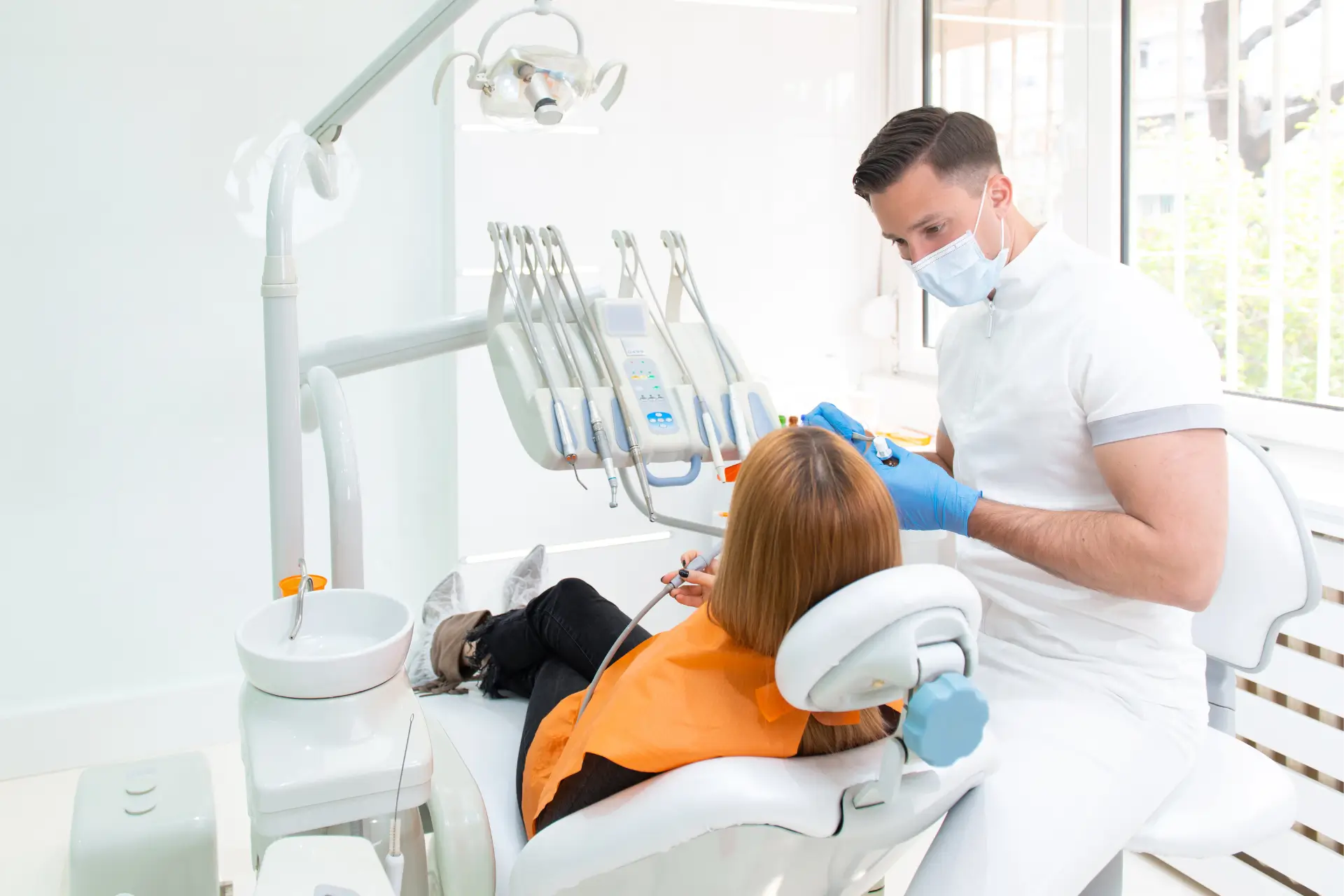
A healthy tooth looks solid and permanent, but trauma changes the picture in seconds. A fall on wet tile, a cricket ball to the face, a cycling collision, an elbow during a weekend football match, a bite into a hidden olive pit, any of these can turn a routine day into a true dental emergency. What happens in the first hour often determines whether a tooth can be saved, stabilized, or replaced later.
Emergency dentists work in that narrow window where time matters, bleeding obscures the field, pain is high, and the damage is not always obvious at first glance. Their role is not simply to stop discomfort. They assess whether the tooth is alive, whether the supporting bone has been damaged, whether the periodontal ligament can recover, whether fragments can be reattached, and whether infection or delayed death of the pulp is likely. Saving the tooth is often possible, but it depends on speed, handling, and judgment.
People tend to think of tooth trauma in simple terms, cracked or knocked out. In practice, it is more layered than that. A tooth may be chipped and still be at risk because the nerve is exposed. A tooth may look almost normal but be loosened inside its socket. A front tooth may be pushed inward, which can be more serious than one that falls completely out. In children, the approach differs again because roots may still be developing and the wrong move can damage the permanent tooth waiting underneath.
The first minutes after trauma are often decisive
The body starts reacting immediately after a blow to the mouth. Blood fills the area, soft tissues swell, and the ligament fibers that suspend the tooth in bone can tear or compress. If the tooth is completely avulsed, meaning knocked out of the socket, the cells attached to the root surface begin to die once they dry out. Those cells are critical. They help the tooth reattach in a functional way rather than fusing to bone or breaking down over time.
This is why emergency dentists ask very specific questions the moment you call or arrive. When did it happen? Was the tooth found? Has it been stored in milk, saline, or inside the cheek? Is the patient taking blood thinners? Was there loss of consciousness? Is the bite different now? Those details guide treatment even before the examination begins.
I have seen cases where two very similar injuries ended very differently because of first-aid decisions made on the spot. One patient arrived with a front tooth wrapped in tissue after forty-five minutes of dry storage. Another came in after a similar accident, but a coach had placed the tooth in cold milk within a minute. The second tooth had a far better prognosis. The public often hears "get to a dentist quickly," which is true, but how the tooth is handled during those minutes matters almost as much as the trip itself.
Not every traumatic injury looks dramatic
Some of the most salvageable injuries look alarming. A chipped front tooth with visible pink or red tissue may bleed heavily, yet a skilled dentist can often protect the pulp or treat it before the tooth is lost. Other injuries look minor and are easy to underestimate. A tooth that feels slightly high when biting may actually have a root fracture. A small crack line in enamel may extend deeper into dentin. A lip laceration may hide tooth fragments embedded in the soft tissue.
The emergency dentist’s examination is both visual and tactical. They test mobility, percussion sensitivity, bite interference, soft-tissue injury, and response to cold or electric pulp testing when appropriate. Radiographs are essential, though a single image is rarely enough. Different angles may reveal a horizontal root fracture, socket wall fracture, or intrusion that is not obvious from the front. In some practices, cone beam CT is used when conventional X-rays leave too many questions unanswered, especially in complex facial trauma.
Pain can be misleading. A severely displaced tooth may feel numb because the nerve supply has been disrupted. A small enamel fracture can feel excruciating if dentin is exposed to air. That is why triage relies on findings, not just the pain score.
The common types of traumatic dental injury
Emergency dentists generally sort dental trauma into patterns because each one calls for a different response. These categories are not just academic. They shape the treatment plan, the urgency, and the follow-up schedule.
- Uncomplicated crown fractures involve enamel, or enamel and dentin, without exposing the pulp.
- Complicated crown fractures expose the pulp and create a direct pathway for bacteria.
- Luxation injuries displace the tooth without fully knocking it out. The tooth may be loosened, pushed sideways, extruded outward, or intruded into the bone.
- Avulsion means the tooth has been completely knocked out of the socket.
- Root fractures split the tooth below the gumline and can be easy to miss initially.
A chipped tooth may be repaired the same day with bonding if the fracture is limited and the tooth remains stable. A luxated tooth may need repositioning and splinting. An avulsed tooth requires immediate handling and often root canal planning. A root fracture may need stabilization for weeks or months, with careful monitoring because some segments heal and some do not.
The distinction between primary and permanent teeth matters greatly. A baby tooth that is knocked out is usually not replanted because doing so can injure the developing permanent tooth. A permanent tooth, by contrast, is often worth every reasonable effort to replant if conditions are favorable.
How emergency dentists decide whether a tooth can be saved
The decision is rarely binary. Save or extract sounds simple, but trauma care usually lives in the gray zone between those poles. The dentist weighs several factors at once: the age of the patient, root development, the time elapsed since injury, contamination, socket damage, fracture level, periodontal support, and whether there are signs of facial or jaw fractures that require broader medical care.
For a front tooth that has been avulsed, extraoral dry time is one of the biggest prognostic markers. If a tooth has been out for only a short time and kept moist, replantation may give years of service, especially in a young patient. If it has been dry for a prolonged period, the long-term outlook worsens because the root surface cells have died. Yet even then, replantation may still have value as a temporary measure, especially in growing patients where maintaining bone contour and appearance matters while future options are planned.
With fractures, the location governs everything. A chip confined to enamel is cosmetically urgent but structurally manageable. A fracture reaching the pulp turns the case into a race against bacterial contamination and inflammatory damage. If the break extends below the gumline or deep into the root, isolation becomes difficult, restoration margins become compromised, and extraction may enter the discussion earlier.
Experience matters here. A less seasoned clinician may see only the visible defect. An emergency dentist trained in trauma sees the biology behind it and plans for what may happen over the next six weeks, six months, and six years.
What happens during emergency treatment
People often imagine emergency dental visits as quick patches, but tooth-saving trauma care is active, hands-on work. Once serious head or facial injuries are ruled out and pain is controlled, treatment focuses on preserving hard tissue, protecting the pulp where possible, and stabilizing the tooth in its proper position.
If a tooth has been displaced, the dentist may gently reposition it under local anesthesia. That sounds simple when stated that way, but it requires a delicate feel. Too much force worsens ligament damage. Too little leaves the tooth malaligned and prone to traumatic bite forces. Once repositioned, the tooth is often splinted to adjacent teeth using a flexible material. Flexible splints are preferred in many cases because they allow slight physiologic movement, which supports periodontal healing better than rigid fixation.
If the tooth has been knocked out and the patient arrives quickly, the dentist irrigates the socket if needed, avoiding aggressive scraping that can damage healing surfaces. The tooth is inspected, handled by the crown rather than the root, and replanted carefully. The bite is checked, the area is radiographed, and a splint is placed. Antibiotics may be considered depending on the case, and tetanus status may need review if the injury involved contamination.
For fractures involving the nerve, treatment depends on age and timing. In a younger tooth with an open apex, preserving pulp vitality may allow continued root development, which is a major advantage. In a mature tooth with pulp exposure, the emergency dentist may proceed toward root canal therapy or place a protective dressing with definitive endodontic treatment to follow very soon. These are not interchangeable choices. They reflect the biology of the tooth and the realistic chance of healing.
Soft tissue injuries get attention too. Torn lips, gingiva, and tongue can affect function and harbor debris. It is not uncommon to find a missing fragment inside a lip wound on radiograph. If that piece is left behind, healing can be painful and prolonged.
The treatments that often make the difference
Saving a traumatized tooth usually depends on a sequence of well-timed decisions rather than one dramatic intervention. Some of the most effective measures are relatively modest in appearance. Splinting is one. Accurate repositioning is another. Pulp protection is a third. The skill lies in applying the right treatment to the right injury and resisting the urge to overdo procedures that may hinder healing.
A fragmented front tooth can sometimes be rebuilt beautifully if the broken piece is brought in and kept moist. Reattachment is not always the strongest long-term option, but in selected cases it restores shape and color remarkably well while preserving natural tooth structure. When the fragment is missing or unsuitable, composite bonding can often restore function and appearance on the same day.
Root canal therapy enters the picture often after trauma, but not always immediately. In some injuries, particularly severe luxation or avulsion of mature permanent teeth, the pulp is unlikely to survive and endodontic treatment is planned proactively within a defined window. In others, the dentist waits and monitors because the pulp may recover. This is where follow-up is not a formality. It is part of the treatment itself.
There are also cases where the emergency dentist’s most important contribution is honest restraint. A deeply fractured tooth below bone level may not be savable in a predictable way, especially if the patient has limited supporting bone or poor restorative prospects. In that setting, forcing heroics can waste time, money, and healing potential. Preserving the site for an implant or bridge later may be the wiser path. Good emergency care is not just about trying to save every tooth at all costs. It is about preserving the best possible outcome for the patient.
Timing changes prognosis more than most people realize
Dentistry has many situations where a delay of a week is inconvenient but manageable. Trauma is different. Hours matter, and in some cases minutes matter. That is especially true in a Dental Emergency involving an avulsed tooth, severe displacement, or an exposed pulp.
The practical first-aid steps are straightforward and worth knowing because they can tilt the odds sharply in favor of saving the tooth.
- Find the tooth or fragment and handle it by the crown, not the root.
- If the tooth is dirty, rinse it briefly with milk or saline, not by scrubbing.
- Keep it moist, ideally in cold milk, saline, or inside the cheek if the person is old enough to do so safely.
- Seek emergency dental care immediately, even if pain seems manageable.
- If there was dizziness, vomiting, facial numbness, or loss of consciousness, seek medical evaluation urgently as well.
One common mistake is placing the tooth in tap water for a long period. A quick rinse may be acceptable in the moment, but water is not an ideal storage medium because it can damage root surface cells through osmotic effects. Another mistake is assuming that if the tooth can be pushed back into place at home, the problem is solved. It is not. The tooth still needs radiographs, stabilization, and follow-up for pulp and ligament health.
Children and teenagers present special challenges
Younger patients often have the most to gain from excellent trauma care and the most to lose from poor early management. Their teeth may have incomplete root formation, which changes the healing potential dramatically. An immature permanent tooth has a wider apex and, under the right circumstances, a better chance at revascularization or continued development. That can make a conservative pulp-preserving approach especially valuable.
At the same time, children do not always describe symptoms clearly. A parent may report only a swollen lip while missing a displaced tooth hidden behind it. A child may minimize pain out of fear. School injuries and playground falls are also frequently accompanied by dirt contamination, making wound cleaning and tetanus review relevant.
A teenage athlete with a fractured incisor raises a different set of issues. Appearance matters deeply at that age, and a same-day restoration can carry real psychological weight. The best emergency dentists recognize this without letting cosmetics override biology. There is little value in a perfect-looking repair if the tooth is poorly stabilized and lost six months later.
Sports mouthguards deserve mention here, not as a lecture but as a practical reality. Custom mouthguards reduce the severity of many impact injuries. They do not prevent every accident, but they often turn a tooth loss event into a manageable fracture.
Follow-up is where many saved teeth are truly saved
Trauma care does not end when the patient leaves the chair. Some injured teeth fail later despite excellent first treatment, while others recover unexpectedly well. The only way to know is systematic review. Emergency dentists schedule follow-up to check mobility, tenderness, color change, radiographic Dental Emergency signs, pulp response, and splint status. This can continue for months and sometimes years, depending on the injury.
A tooth that darkens after trauma is not automatically lost, but it deserves close evaluation. A tooth that tests negative to vitality immediately after injury may later recover, especially if the blood supply was temporarily disrupted rather than permanently destroyed. Radiographs may reveal external root resorption, internal changes, or periapical pathology long before the patient feels significant pain.
This is where trauma dentistry rewards patience and discipline. The patient who skips follow-up because the tooth feels "fine now" may miss the narrow moment when intervention could prevent root loss. A later abscess, fistula, or progressive resorption is harder to manage and often more expensive.
When saving the tooth is not possible
Even the best emergency care has limits. Vertical root fractures, severe crushing injuries, extensive socket damage, and teeth with pre-existing periodontal compromise sometimes cannot be restored predictably. In those cases, the emergency dentist shifts the goal from rescue to preservation of the surrounding structures.
That may involve atraumatic extraction, socket management, temporary cosmetic replacement, and Dental Emergency planning for future implant, bridge, or orthodontic solutions. This phase matters more than many patients realize. Poor handling of the extraction site after trauma can lead to bone loss, soft tissue collapse, and more complicated rehabilitation later. Thoughtful emergency treatment protects options.
It is also worth saying plainly that "saving the tooth" does not always mean "keeping the natural tooth unchanged forever." A tooth may be saved through replantation, splinting, root canal therapy, and restoration, then serve for many years before needing further intervention. That is still a success. Dentistry often works in stages, especially after significant injury.
Why expertise matters in a true dental emergency
General dentists manage many urgent problems well, but trauma can be unusually technical. The emergency dentist brings a specific mindset: act quickly, preserve biology, diagnose hidden injury, and think ahead. They know when to reposition and splint, when to protect the pulp, when to refer for endodontic or oral surgery support, and when facial trauma crosses into hospital territory.
That blend of speed and restraint is hard to teach from a checklist alone. It comes from seeing enough cases to recognize patterns and enough failures to respect the consequences of small errors. A tooth stored dry too long, a rigid splint left on too long, a missed root fracture, an ignored lip radiograph, these are the kinds of details that shape outcomes.
The encouraging part is that many traumatized teeth can be saved, even after injuries that look severe at first glance. The key is not luck. It is prompt action, proper handling, accurate diagnosis, and steady follow-up. When those pieces line up, emergency dentists do far more than relieve pain. They preserve natural teeth, maintain bone and function, and spare patients years of more invasive treatment that might otherwise follow a single bad moment.
Vitality Dental
Address: 1220 Coit Rd #106, Plano, TX 75075
Phone number: +19726454100
FAQ About Dental Emergency
What can the ER do for a tooth?
An emergency room (ER) can manage pain and treat severe infections with medication, but it cannot fix or pull a tooth.
What is considered a dental emergency?
A dental emergency is any oral health problem that involves severe pain, uncontrollable bleeding, or an infection that threatens your health or requires immediate care to save a tooth.
Is there a 24-hour dental service in Plano, TX?
There is no physical dental clinic in Plano, Texas, that stays open with walk-in staff 24 hours a day, but several offices offer 24/7 phone support, late-night hours, or same-day emergency care.