Emergency Dentist Plano, TX: Late-Night Dental Care Options
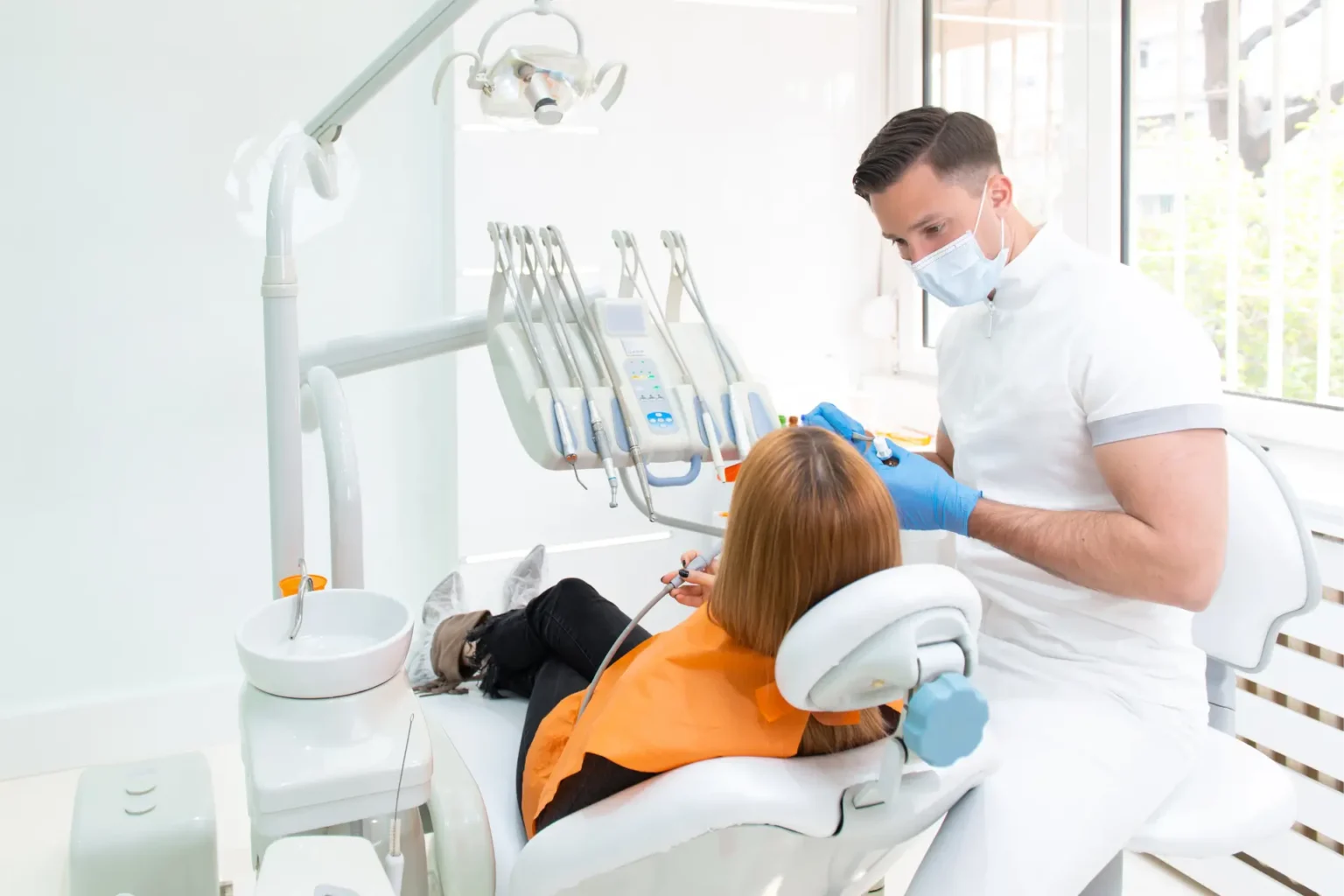


A dental emergency rarely arrives at a convenient hour. It shows up during dinner, after a child’s game, halfway through a work trip, or just as the household is settling down for the night. One minute you are fine, the next you are holding your jaw, rinsing blood from the sink, or trying to figure out whether a broken molar can wait until morning. In a city the size of Plano, people often assume help will be easy to find. Sometimes it is. Sometimes the challenge is knowing what counts as urgent, where to call after regular office hours, and how to protect the tooth or surrounding tissue until a dentist can see you.
If you are searching for an Emergency dentist Plano, TX, speed matters, but judgment matters too. Not every dental problem belongs in a hospital emergency room, and not every toothache is safe to put off for two days. The difference usually comes down to pain level, swelling, bleeding, trauma, and infection risk. Late-night dental care is less about finding a miracle fix at midnight and more about getting the right level of care, from the right provider, at the right time.
When dental pain becomes an emergency
Most people have a decent instinct for medical emergencies, but dental situations are trickier. A throbbing tooth can feel catastrophic at 11:30 p.m., especially when pain keeps you from sleeping. At the same time, a cracked filling with no pain may be inconvenient rather than dangerous. The problem is that symptoms do not always line up neatly with the seriousness of the issue. A small fracture can expose a nerve. Mild swelling can become serious quickly if the infection spreads. A knocked-out tooth may not bleed much, but the clock starts immediately if you want any chance of saving it.
A good working definition is simple: it is a dental emergency if delaying care is likely to worsen pain, raise infection risk, or reduce the chance of saving a tooth. Trauma to the face or mouth also pushes the situation into urgent territory, particularly when teeth have shifted position, tissue is torn, or jaw movement feels abnormal.
Here are the common situations that usually justify urgent or same-day dental attention:
- A severe toothache that is constant, worsening, or paired with swelling
- A knocked-out permanent tooth
- A cracked, broken, or displaced tooth after trauma
- Bleeding that does not stop with pressure
- Swelling of the gums, face, or jaw, especially with fever or a bad taste in the mouth
That list is not exhaustive, but it covers what most emergency dental offices see after hours. In practice, infection and trauma dominate late-night calls.
The late-night reality in Plano
Plano has the advantages of a large suburban medical corridor. There are many dental practices, urgent care facilities, and hospitals within a short drive. What people discover during a late-night search, though, is that “emergency dental care” can mean several different things. Some offices reserve same-day slots but are not physically open late. Some have an answering service that pages the dentist, who may call in medication and schedule you for the first available morning appointment. Some truly offer evening or weekend treatment windows. Others rotate emergency coverage through a local network.
That is why the phrase Emergency dentist Plano, TX should be read carefully when you are looking online. A practice may specialize in urgent care, or it may simply handle emergencies for existing patients. Before you get in the car, confirm the basics. Ask whether the office is open now, whether they can treat your specific issue, what forms of payment they accept, and whether they take your insurance. If the injury involves facial trauma, uncontrolled bleeding, or trouble breathing, skip the dental office and go directly to the nearest emergency room.
This distinction matters more than many people realize. Hospitals are essential for deep lacerations, jaw fractures, airway issues, and serious infections that are spreading beyond the mouth. But most ERs are not equipped to provide definitive dental treatment such as root canal therapy, crown repair, or management of a lost filling. They can stabilize pain, address severe infection, and rule out broader injury. For actual tooth repair, you usually still need a dentist.
What to do in the first 30 minutes
The first half hour after a dental emergency often has an outsized effect on the outcome. This is especially true with a knocked-out tooth, a fractured crown, or heavy bleeding from gum or cheek tissue. People tend to panic, then either do too much or too little. The best approach is calm and basic: control bleeding, protect the area, reduce swelling, and preserve any tooth fragments.
If a permanent tooth is knocked out, handle it by the crown, not the root. If it is dirty, rinse it briefly with milk or saline if you have it, or clean water if you do not, but do not scrub it. In some cases, an adult can gently place it back in the socket and bite on clean gauze. If that feels unrealistic, store the tooth in milk or a tooth preservation solution if available. Time matters here. Dentists often have the best chance of successful reimplantation when treatment happens within about 30 to 60 minutes, though outcomes vary.
If a tooth is cracked or broken, rinse the mouth gently with warm water. Save any pieces if you can find them. A cold compress on the outside of the cheek can limit swelling. If pain is significant, over-the-counter pain relief may help, assuming you can take it safely. Avoid placing aspirin directly against the gum. People still try this old home remedy, and it can burn soft tissue without solving the problem.
If you are bleeding after an extraction or mouth injury, steady pressure with clean gauze usually does more than repeated checking. Hold it firmly in place for 15 to 20 minutes before lifting it to inspect. Constantly removing the gauze interrupts clot formation and drags the process out.
For sudden swelling, especially around a back tooth, saltwater rinses can keep the area cleaner, but they are not treatment. Swelling tied to infection needs professional care. If the swelling is spreading under the jaw, making swallowing difficult, or accompanied by fever, that is no longer a wait-and-see situation.
How emergency dentists triage after-hours calls
Patients often imagine that late-night dental care begins with treatment the moment they walk through the door. In reality, most emergency cases start with triage, whether by phone or in person. The office needs to determine the cause, urgency, and safest next step. The dentist or team member is listening for clues: Is the pain triggered by biting, suggesting a crack? Is the swelling localized to one gum area, suggesting an abscess? Was there impact to the chin or jaw, raising concern for fracture? Is the patient a child with a baby tooth injury, which is handled differently from a permanent tooth injury?
An experienced emergency dentist will usually ask when the pain started, whether it wakes you up, whether there is swelling, whether you have taken medication, and whether hot or cold makes it worse. They may also ask about recent dental work, because a temporary crown, extraction site, or unfinished root canal can change the likely cause.
That conversation helps determine whether you need immediate intervention, early morning treatment, or medical rather than dental evaluation. It can feel frustrating if you are in pain and want a simple yes-or-no answer, but careful triage prevents the wrong care setting and often speeds up the right one.
Cases that can sometimes wait until morning
Not every urgent dental problem is dangerous at midnight. Some can be managed safely for a few hours if you know what to watch for. A lost filling, a chipped tooth without sensitivity, a broken retainer wire, or a crown that came off cleanly may feel dramatic but are not always emergencies in the medical sense. Even then, there are caveats. A lost crown on a front tooth may have less pain but more practical urgency because exposed tooth structure can become sensitive quickly. A broken wire may seem minor until it starts cutting the cheek.
This is where common sense and symptoms guide the decision. If the issue is primarily discomfort and appearance, and there is no swelling, fever, trauma, or uncontrolled bleeding, a next-day visit is often reasonable. If the pain escalates, the tooth becomes difficult to bite on, or the face begins to swell, the equation changes.
One thing I have seen repeatedly in dental settings is how often people wait too long because they do not want to overreact. They tell themselves the pain will pass, or they do not want to bother an after-hours line. Then they arrive 24 or 48 hours later with swelling that requires more extensive treatment than a same-evening exam might have prevented. Hesitation is understandable. Delay is not always harmless.
The difference between a dental office and the ER
This is one of the most useful distinctions to make before an emergency happens. If you have a true dental problem, an emergency dentist is usually better equipped to save the tooth. If you have a broader health emergency that includes the mouth or jaw, the ER is the safer first stop.
Go to the emergency room if you have trouble breathing, trouble swallowing, significant facial swelling that is spreading, a suspected broken jaw, head injury, deep cuts requiring stitches, or bleeding that does not slow with direct pressure. The ER is also the right choice for severe infection symptoms such as high fever, confusion, dehydration, or signs that the infection may be moving into facial spaces below the jawline.
For a knocked-out permanent tooth, a fractured tooth, a visible abscess near the gum, severe tooth pain, or a crown or bridge failure causing acute pain, a dental office is usually the right setting. Dentists can take targeted X-rays, test the nerve, stabilize loose teeth, drain localized infections when appropriate, and carry out treatment that addresses the source rather than only the symptoms.
Cost, insurance, and the late-night factor
Emergency dental fees vary widely, and after-hours timing can affect the bill. Some offices charge a separate emergency exam fee. Others bundle the exam and X-rays into the initial visit, then quote treatment separately once the dentist knows what is happening. The final cost depends on whether you need a simple palliative visit, a filling, extraction, root canal therapy, temporary stabilization, or referral to a specialist.
It is smart to ask direct questions before agreeing to treatment, especially if the office is out of network. Ask what today’s exam will cost, what treatment might be needed tonight versus later, and whether there are temporary options to get you through the night. Many emergency visits focus first on pain control and stabilization, then complete the definitive work during regular office hours. That is not a sign of poor care. It is often the most sensible approach, especially when swelling, infection, or the complexity of the case makes a staged plan safer.
For uninsured patients, practices may offer financing or payment plans, though this is far from universal. If cost is a concern, say so early. Dental teams handle these conversations every day, and transparent discussions usually produce better options than waiting until checkout.
How children’s dental emergencies are different
Parents know that a child with mouth pain can go from Emergency dentist Plano, TX teary to panicked in minutes. The late-night challenge is deciding how urgent the situation really is, because children often struggle to describe pain accurately. A child may say the whole mouth hurts when the issue is one loose baby tooth, or they may minimize a serious injury because they are frightened.
Trauma is the big dividing line in pediatric dental emergencies. If a permanent tooth is knocked out, it needs fast attention. If a baby tooth is knocked out, the response is different. Dentists generally do not reimplant baby teeth because doing so can damage the developing permanent tooth underneath. That does not mean the injury should be ignored. The area still needs evaluation for soft tissue damage, fragments, and effects on nearby teeth.
With toothaches, swelling is the red flag that should push parents to seek urgent care. Children can deteriorate faster than adults when infection spreads, and nighttime swelling around the face or under the jaw deserves prompt attention. If a child cannot open Emergency dentist Plano, TX the mouth well, refuses liquids, drools excessively, or seems unusually lethargic, that goes beyond a routine dental call.
What dentists can often do at night, and what may wait
Patients sometimes expect the full treatment plan to be completed in one late-night visit. That happens in some cases, but not all. The scope of after-hours care depends on the problem, available equipment, how long the issue has been present, and whether swelling or infection has changed the tissue enough to complicate treatment.
A dentist may be able to recement a crown, place a temporary restoration, smooth a fractured edge, splint a loose tooth, start root canal access to relieve pressure, or extract a tooth that cannot be saved and is causing acute pain. On the other hand, some procedures are better deferred a few hours or a day, especially when a specialist may be needed. Deep root canal treatment on a complex molar, oral surgery involving impaction, or care involving sedation may not be ideal in every overnight setting.
That does not mean the visit was wasted. Pain relief, drainage of infection, antibiotics when truly indicated, and protection of the tooth can dramatically improve the outcome. There is a practical difference between “fixed forever tonight” and “safely stabilized tonight.” In emergency dentistry, stabilization is often the right first win.
Finding a reliable Emergency dentist Plano, TX
When people search for an Emergency dentist Plano, TX, they often focus on who can see them fastest. Speed matters, but the better question is who can handle the specific problem you have. If your issue is trauma, ask whether the office treats dental injuries regularly. If you have swelling and suspect infection, ask whether they can evaluate and manage abscesses on site. If a front tooth has fractured, ask whether they provide temporary cosmetic repair as part of emergency care.
Reviews can help, but read them with caution. A glowing review about routine cleanings tells you very little about after-hours trauma management. More useful signs include clear emergency instructions on the website, real phone access after hours, transparent communication about fees, and a willingness to explain whether you need the office, urgent care, or the ER.
It is also worth noting that some of the best emergency outcomes come from practices patients already know. Existing records, X-rays, medical history, and prior treatment notes can make diagnosis quicker and safer. If your regular dentist offers emergency coverage, keep that number saved. If they do not, ask now, before anything goes wrong, where they refer after hours.
A short at-home checklist while you arrange care
During the scramble of an urgent dental problem, a simple checklist can keep you from missing the basics:
- Rinse gently with warm water and remove obvious debris
- Use clean gauze for pressure if there is bleeding
- Apply a cold compress outside the cheek for swelling
- Save any tooth or broken pieces, ideally in milk if available
- Call a dentist, and go to the ER if breathing, swallowing, or major trauma is involved
That may sound elementary, but under stress, even obvious steps are easy to skip. I have seen people arrive clutching a tissue full of fragments they forgot to keep moist, or with a knocked-out tooth wrapped in dry paper towel for hours. Good intentions do not preserve dental tissue. Small details do.
The infections that should never be ignored
Of all late-night dental issues, infection is the one people underestimate most often. The pattern is familiar: tenderness near a tooth, maybe a pimple-like spot on the gum, increasing pressure through the evening, then visible swelling by bedtime. Some infections stay localized. Others move quickly into facial spaces where they can affect swallowing, speech, or breathing.
A true dental abscess is not something mouthwash can solve. Neither is a severe cavity that has reached the pulp and begun to spread infection through the root. You may need drainage, root canal treatment, extraction, or a combination of measures. Antibiotics can help when infection has spread or swelling is present, but they are not a substitute for addressing the source. Pain often returns if the infected tooth remains untreated.
This point matters because many people hope a prescription alone will carry them through. Sometimes it buys time. It rarely finishes the job. If a provider gives you antibiotics after a late-night evaluation, take them exactly as directed and keep the follow-up appointment, even if you feel better the next day.
Planning ahead is easier than improvising at midnight
The best emergency dental plan starts before you need one. Keep your regular dentist’s emergency number in your phone. Know whether they provide after-hours coverage. If you have children, ask the pediatric office how trauma calls are handled on weekends and nights. If you grind your teeth, wear a night guard, or have large old fillings and crowns, you are at higher risk for fractures than you may realize, and having a backup emergency option in Plano is sensible.
It also helps to keep a few simple supplies at home: sterile gauze, a small cold pack, over-the-counter pain medication you know you can take safely, and a clean container for transporting a broken tooth or restoration. None of that replaces professional care, but it buys you calmer minutes when they matter most.
Dental emergencies are unsettling because they interrupt ordinary life so abruptly. The good news is that many of the worst outcomes are preventable when patients act quickly, call the right place, and understand the difference between urgent discomfort and a developing health emergency. Whether the issue is a cracked molar after dinner, a child’s sports injury on a Saturday night, or a swelling tooth that flares after business hours, the right Emergency dentist Plano, TX can do far more than dull the pain. Timely care can save the tooth, limit the infection, and spare you a much bigger problem by morning.
Vitality Dental
1220 Coit Rd # 106, Plano, TX 75075, United States
+1 972-645-4100
FAQ About Emergency dentist Plano, TX
Will the ER do anything for dental pain?
An emergency department can assess urgent symptoms and provide medical stabilization. Definitive treatment of the tooth usually requires a dentist. Seek emergency medical care for breathing or swallowing difficulty, uncontrolled bleeding, or serious facial injury.
What to do if I have a dental emergency in the middle of the night?
Contact a dentist or after-hours dental service promptly for guidance. If a permanent tooth is knocked out, keep it moist in milk while seeking immediate care. If symptoms suggest a medical emergency, go to an emergency department.
What qualifies as a dental emergency?
A knocked-out permanent tooth, severe or persistent tooth pain, a significant dental injury, or swelling may require urgent dental assessment. Call a dentist to describe the symptoms and determine timing. Uncontrolled bleeding or difficulty breathing or swallowing requires emergency medical care.